Undeniable Proof That You Need Logistic
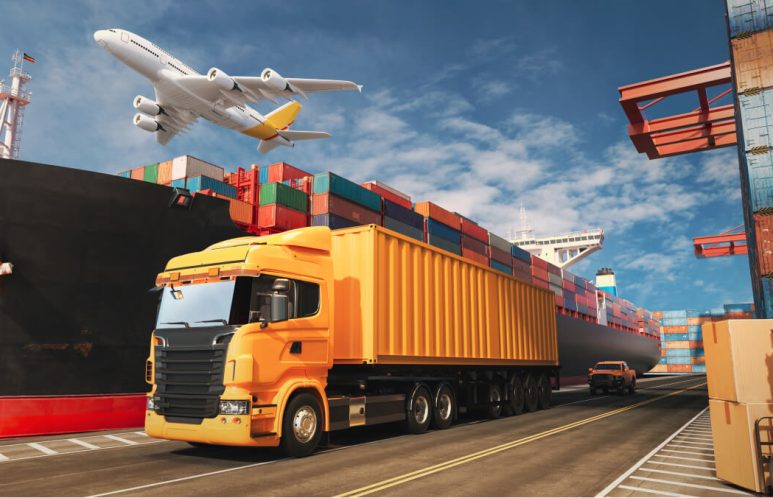
In today’s fast-paced global market, logistics is no longer just a support function it is a critical driver of business success. Companies that invest in efficient logistics systems are better positioned to reduce costs, improve delivery times, and enhance customer satisfaction. From supply chain coordination to last-mile delivery, logistics plays a vital role in ensuring seamless operations.
Why Logistics Is Essential for Business Growth
Modern businesses depend on streamlined logistics to stay competitive. Efficient logistics helps organizations manage resources effectively, reduce operational delays, and maintain consistent product availability. It enables companies to respond quickly to market demands while maintaining high service standards.
Strong logistics systems also improve customer experience by ensuring timely deliveries and accurate order fulfillment. Businesses that prioritize logistics often see improved brand reputation and higher customer retention.
“IT IS A LONG FACT THAT A READER WILL BE DISTRACTED BY THE READABLE CONTENT OF A PAGE WHEN LOOKING AT ITS LAYOUT.”
Monalisa Saisha
Key Benefits of Effective Logistics Management
Improved Supply Chain Efficiency
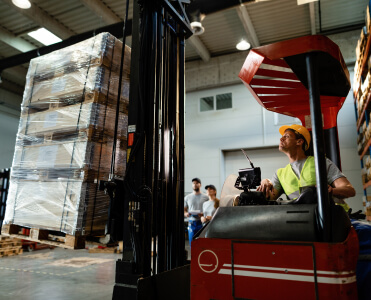
Efficient logistics ensures smooth coordination between suppliers, manufacturers, and distributors. This reduces bottlenecks and enhances overall supply chain performance.
Master Transport Solution
Cost Optimization
With proper logistics planning, businesses can reduce transportation, warehousing, and inventory costs. Optimized routes and better inventory control contribute to significant savings.
Faster Delivery Times
Speed is a major factor in customer satisfaction. Effective logistics systems help businesses meet tight delivery deadlines and exceed customer expectations.
Enhanced Customer Satisfaction
Reliable logistics leads to accurate and timely deliveries, which directly impacts customer trust and loyalty.
Better Inventory Management
Logistics enables businesses to maintain optimal inventory levels, avoiding overstocking or stockouts.
Master Transport Solutions
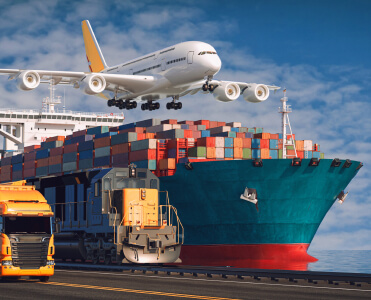
A strong transport system is the backbone of logistics. Businesses that invest in advanced transport solutions can ensure safe, timely, and cost-effective movement of goods.
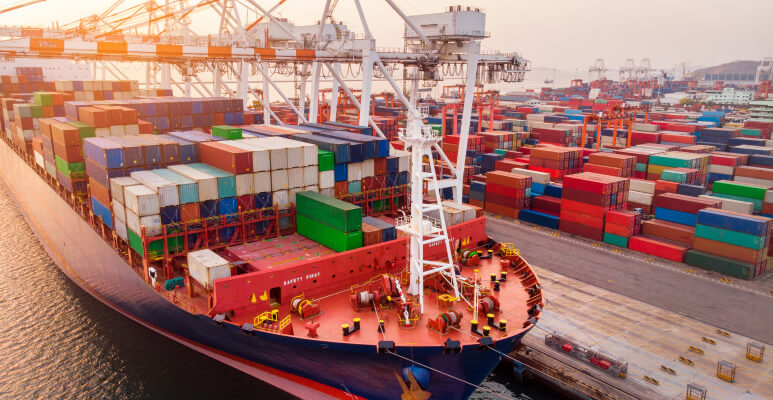
Efficient transport solutions include route optimization, real-time tracking, and integration with digital systems. These features allow businesses to monitor shipments, reduce delays, and improve operational transparency.
Modern transport strategies also support scalability, enabling companies to expand operations without compromising efficiency.
The Role of Technology in Logistics
Technology has transformed the logistics industry. From automation to data analytics, digital tools help businesses streamline operations and make informed decisions.
Real-time tracking systems provide visibility across the supply chain, while data-driven insights help optimize routes and reduce costs. Automation reduces manual errors and increases operational efficiency.
How to Choose the Right Logistics Strategy
Choosing the right logistics approach depends on business size, industry, and operational needs. Companies should focus on scalability, reliability, and cost-effectiveness when designing their logistics strategy.
Partnering with experienced logistics providers and adopting modern technologies can significantly improve efficiency and performance.
Common Logistics Challenges and Solutions
Supply Chain Disruptions
Unexpected disruptions can impact operations. Businesses should build flexible logistics systems to adapt quickly.
Rising Transportation Costs
Optimizing routes and using data analytics can help reduce fuel and operational expenses.
Inventory Mismanagement
Implementing inventory management systems ensures better control and reduces losses.
Lack of Visibility
Using tracking technologies improves transparency and helps businesses monitor shipments in real time.
Conclusion
Logistics is a fundamental component of any successful business. Companies that invest in efficient logistics systems like the solutions provided by Dare Freight Services can improve operational performance, reduce costs, and deliver better customer experiences. In a competitive market, having a strong logistics strategy with a partner like Dare Freight Services is no longer optional; it is essential for long-term growth and sustainability.
FAQs
1. Why is logistics important for businesses?
Logistics ensures efficient movement of goods, reduces costs, and improves customer satisfaction through timely deliveries.
2. What are the main components of logistics?
Key components include transportation, warehousing, inventory management, and supply chain coordination.
3. How does logistics improve customer satisfaction?
By ensuring accurate and on-time deliveries, logistics enhances customer trust and overall experience.
4. What role does technology play in logistics?
Technology improves tracking, automation, data analysis, and overall operational efficiency.
5. How can businesses reduce logistics costs?
Businesses can reduce costs through route optimization, better inventory management, and efficient transport systems.
6. What are common challenges in logistics?
Common challenges include supply chain disruptions, rising costs, and lack of visibility.
7. How do I choose the right logistics strategy?
Focus on scalability, cost-effectiveness, reliability, and integration with modern technologies.

About Author
Optimize resource eing innation whereas visionary value. Compellingly engageaa extensible process with business lifes process improvements.
3 Comments
Daniel Adam
Collaboratively empower multifunctional e-commerce for prospective applications. Seamlessly productivate plug and play markets whereas synergistic scenarios.
zenelia Lozhe
Aboratively empower multifunctional e-commerce for prospective application mlessly productivate
Sowat Ahsan
Collaboratively empower multifunctional e-commerce for prospective applications. Seamlessly productivate plug and play market whereas synergistic scenarios.