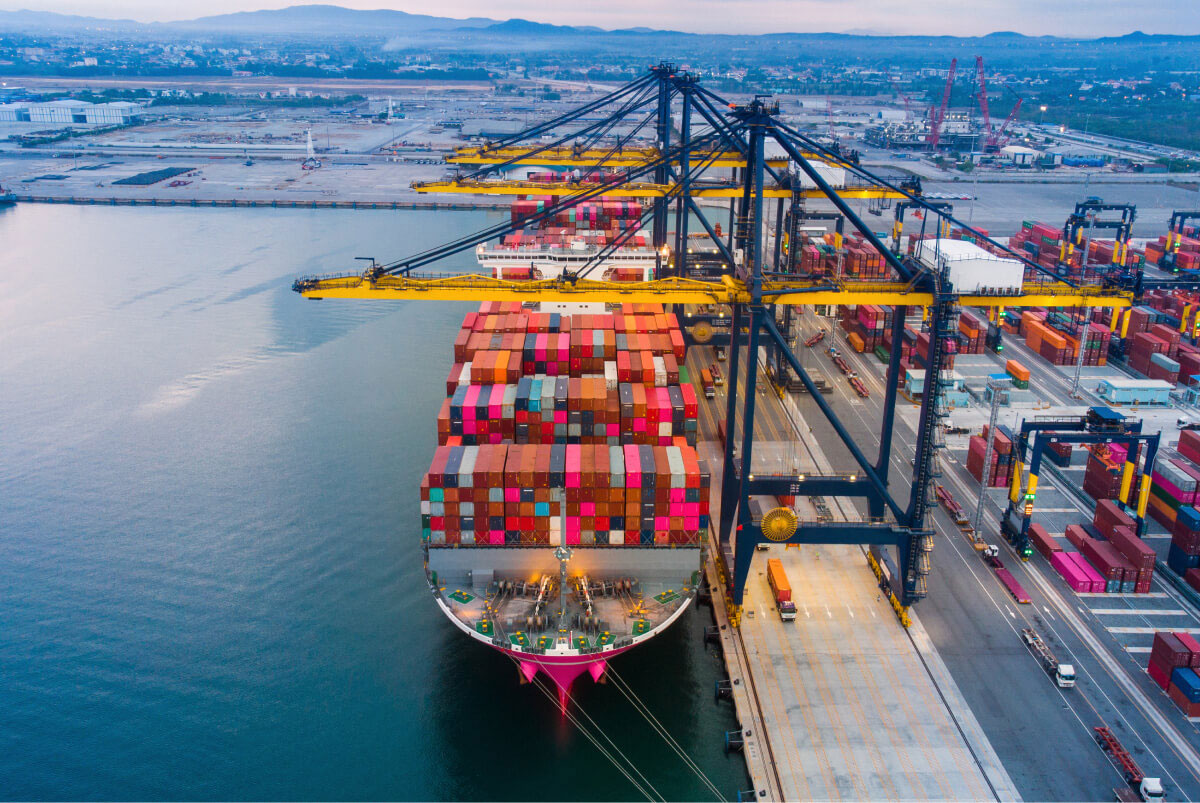
Importing goods through Durban Port is one of the most common and efficient shipping methods for businesses bringing cargo into South Africa. As the busiest container port in Africa, Durban handles a significant portion of the country’s imports and exports. Understanding the import process can help you save time, reduce costs, and avoid unnecessary delays.
This step-by-step guide explains everything you need to know about importing goods through Durban Port in 2026.
Step 1: Choose the Right Freight Service
The first step in importing goods through Durban Port is selecting a reliable freight company. A professional freight forwarder manages shipping, documentation, customs clearance, and final delivery.
Many businesses in South Africa rely on cargo and freight services to handle the entire import process from the supplier to the final destination. For urgent shipments, international air cargo shipping services are ideal. However, for bulk and cost-effective transportation, sea freight through Durban Port remains the preferred option.
Step 2: Prepare Import Documentation
Documentation is one of the most critical aspects of importing goods. Incorrect or incomplete paperwork can result in costly delays and penalties.
Documents Required to Import Goods Through Durban Port
You will typically need:
- Commercial Invoice
- Packing List
- Bill of Lading
- Import Permit (if required)
- Customs Clearance Documents
- SARS Importer Code
- Certificate of Origin
- Insurance Certificate
A professional freight forwarder or logistics company in Durban can assist in preparing and submitting these documents accurately.
Step 3: Ship the Cargo to Durban Port
Once all documentation is ready, the supplier ships the cargo to Durban Port. Most imports arrive via container shipping, ensuring safe and efficient transportation.
Types of Shipping
- FCL (Full Container Load): Ideal for large shipments
- LCL (Less than Container Load): Suitable for smaller consignments
- Break Bulk Cargo: For oversized or non-containerized goods
- Air Freight: Best for urgent or time-sensitive shipments
Businesses aiming to reduce costs often opt for affordable freight forwarding services in South Africa, especially for sea freight shipments.
Step 4: Customs Clearance at Durban Port
When cargo arrives, it must undergo customs clearance before it can be released.
Customs Clearance Process at Durban Port
- Submission of required documents
- Customs inspection (if necessary)
- Calculation of import duties and VAT
- Payment of duties and taxes
- Approval and cargo release
Import duties and VAT depend on the product type, value, and Harmonized System (HS) code. Working with experienced cargo shipping companies in South Africa helps ensure a smooth and delay-free process.
Step 5: Port Handling and Clearance Charges
After customs clearance, certain port charges must be settled before cargo is released.
Common Durban Port Charges
- Port handling charges
- Terminal handling charges
- Customs clearance fees
- Storage charges (if applicable)
- Delivery and transportation costs
Your freight forwarder typically provides a detailed landing cost estimate before shipment, ensuring transparency and better financial planning.
Step 6: Delivery to the Final Destination
Once cleared, the cargo is transported from Durban Port to its final destination via road or rail.
Many importers prefer full-service logistics providers like Dare Freight Services, which offer:
- International shipping
- Customs clearance
- Warehousing solutions
- Inland transportation
- Door-to-door delivery
This streamlined approach simplifies the entire import process.
How Long Does Durban Port Clearance Take?
| Process | Estimated Time |
| Sea Freight Shipping | 2–6 weeks |
| Cargo Arrival & Unloading | 2–3 days |
| Customs Clearance | 2–5 days |
| Port Release | 1–2 days |
| Final Delivery | 1–3 days |
Total Import Time: Approximately 1 to 6 weeks, depending on the origin, shipping method, and documentation accuracy.
Cost to Import Goods Through Durban Port
The total cost of importing depends on several factors, including:
- Shipping charges
- Import duties
- VAT (15%)
- Port handling fees
- Customs clearance charges
- Inland transportation costs
Sea freight is generally more economical than air freight, making it the preferred choice for most businesses importing through Durban Port.
Common Mistakes to Avoid When Importing
To ensure a smooth import process, avoid these common errors:
- Incorrect or incomplete documentation
- Wrong HS code classification
- Failure to calculate import duties in advance
- Choosing an unreliable freight forwarder
- Delays in customs payments
- Not obtaining a SARS Importer Code
Partnering with an experienced logistics company helps prevent these issues.
Final Thoughts
Importing goods through Durban Port is a straightforward and efficient process when handled correctly. From preparing documentation to arranging final delivery, each step plays a vital role in ensuring successful and timely imports.
Whether you are importing small consignments or full containers, working with a professional freight forwarder like Dare Freight Services ensures a smooth, cost-effective, and hassle-free experience. As the primary gateway for trade in South Africa, Durban Port will continue to play a crucial role in global commerce in 2026 and beyond.
FAQs
1. How do I import goods through Durban Port?
To import goods through Durban Port, select a reliable freight forwarder, prepare the necessary documentation, clear customs, and arrange delivery to your final destination.
2. What documents are required to import goods through Durban Port?
You need a Commercial Invoice, Packing List, Bill of Lading, SARS Importer Code, Import Permit (if required), Certificate of Origin, and Customs Clearance Documents.
3. How long does customs clearance take at Durban Port?
Customs clearance typically takes 2 to 5 business days, depending on documentation accuracy and inspection requirements.
4. What is the cost of importing goods through Durban Port?
Costs include shipping fees, import duties, VAT (15%), port handling charges, customs clearance fees, and inland transportation expenses.
5. What is the cheapest way to import goods through Durban Port?
Sea freight via container shipping is the most cost-effective option for importing large and bulk shipments into South Africa.
6. Do I need a SARS Importer Code to import goods into South Africa?
Yes, a SARS Importer Code is mandatory for businesses importing goods into South Africa through Durban Port.
7. What is the difference between FCL and LCL shipping?
FCL (Full Container Load) is ideal for large shipments, while LCL (Less than Container Load) is suitable for smaller cargo sharing container space.
8. Why is Durban Port important for imports?
Durban Port is the busiest container port in Africa and serves as a key gateway for international trade into South Africa.
9. Can a freight forwarder handle the entire import process?
Yes, a professional freight forwarder manages shipping, customs clearance, documentation, warehousing, and final delivery.
10. Which company provides reliable import services through Durban Port?
Experienced logistics providers like Dare Freight Services offer efficient and cost-effective import solutions across South Africa.
1 Comment
Breakbulk Cargo Durban Handling Guide | Port Process Guide
[…] you are planning shipments, this guide on how to import goods through Durban port can […]